Hiring
How to Hire a Barista: Skills, Pay and Trial Checklist
Rates and figures last reviewed · confirm the current award on Fair Work before you hire
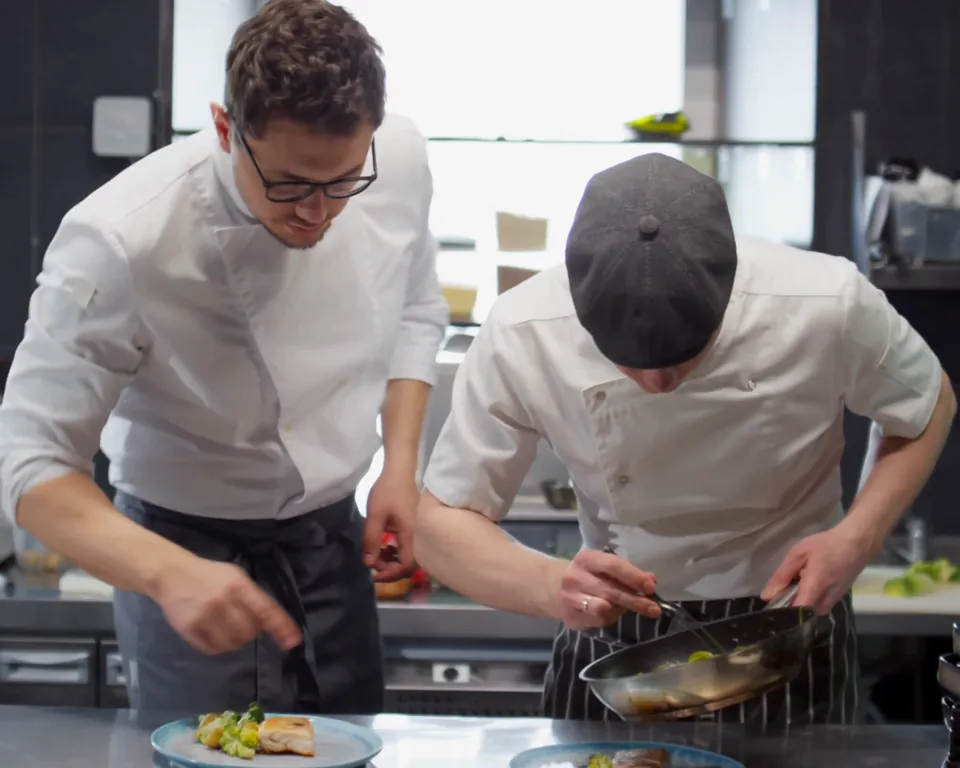
When you hire a barista, you are hiring speed and consistency as much as skill. A great barista keeps the queue moving at 7.30am, pulls the same shot at 2pm that they pulled at opening, and keeps the machine clean. This guide explains what to look for, how to test it, what to pay in 2026 and how to book a barista for a single shift or an event.
What makes a good barista
- Dialling in: adjusting the grind, dose and extraction time as the beans, humidity and temperature change through the day.
- Milk: texturing milk for flat whites, lattes and cappuccinos, and handling plant milks that behave differently.
- Volume: keeping quality up during the rush. Ask how many coffees an hour they have made, and on what machine.
- Workflow: reading dockets, grouping orders, and keeping the bench clean while working.
- Machine care: backflushing, purging steam wands and cleaning group heads, which protects your equipment.
- Customer service: remembering regulars and handling a remade coffee with a smile.
Latte art is nice, but it is the last thing to judge. A barista who pours a perfect rosetta but makes 40 coffees an hour will lose you customers in a busy cafe that needs 100.
What to pay a barista in 2026
Which award applies depends on where the barista works:
- Cafes and restaurants are usually covered by the Restaurant Industry Award, which has its own rates and classification for baristas.
- Hotels, pubs and accommodation venues are covered by the Hospitality Industry (General) Award (MA000009). Barista work generally falls within food and beverage attendant grade 2, which is level 2.
- Takeaway outlets may be covered by the Fast Food Industry Award.
Under the Hospitality award, a level 2 casual earns at least $33.85 an hour Monday to Friday, $40.62 on Saturday, $47.39 on Sunday and $67.70 on public holidays, plus 12% super. A barista who supervises the coffee station or trains others may be level 3. See the full hospitality award pay rates for every level.
Experienced baristas in busy cafes often earn above award minimums. If you are competing for good people, a fair rate and a consistent roster matter more than a free coffee.
Run a barista trial on your machine
Every machine and grinder behaves differently, so a trial on your setup tells you far more than a résumé. A short supervised skills test can be unpaid if it only lasts as long as needed. If the barista serves paying customers, pay them.
A 30 to 60 minute trial checklist:
- Dial in: ask them to taste and adjust the grind on your house blend. Watch whether they weigh doses and time shots.
- Milk: a flat white, a cappuccino and an oat latte. Look for silky texture and the right temperature.
- Speed round: give them six dockets at once and time it. Check that the last coffee is as good as the first.
- Clean down: ask them to purge, wipe and backflush. Habits show here.
- Taste: drink what they make. Is it balanced, or bitter and sour?
Questions to ask
- What machine and grinder are you used to? How many groups?
- What was your busiest morning, in coffees per hour?
- How do you handle a queue of 15 while a regular wants a chat?
- What do you do when shots start running fast mid-morning?
- Can you work the register, or run food when coffee is quiet?
Event baristas and coffee carts
Conferences, weddings, markets and office events often book a barista for a few hours. Options include:
- A barista only, using the venue's machine. Check the machine size and power, and the grinder, before the day.
- A coffee cart business that brings the machine, cups and milk, often priced per cup or per hour.
Plan for peak demand: a single barista on a two-group machine can typically make 60 to 100 coffees an hour, depending on the menu. If 300 delegates break for morning tea at once, you need two baristas and a second machine, or a staggered break. Our guide to event staff hire covers the rest of the team.
Food safety and paperwork
Baristas handle milk and often food, so they need food safety training under Food Standard 3.2.2A. Check work rights for visa holders through VEVO, and give new casual employees the Casual Employment Information Statement. If the barista will also serve alcohol in a hotel or bar, they need a valid RSA; see the RSA requirements by state.
Roster around the rush
Most cafes do half their coffee trade in two or three hours. Rostering to that pattern is the biggest lever on both service and wages:
- Count your peak. Use POS data to find the busiest 30 minute blocks and the number of coffees in each.
- Match the machine. One barista per group head in use is a sensible ceiling; adding a third person to a two-group machine rarely speeds things up.
- Use a support role. A second person taking orders, calling names and steaming milk can lift output more than a second barista.
- Keep the minimum in mind. A short rush shift still has to meet the award minimum engagement, so 2 or 3 hour peak shifts are common.
- Plan for weekends. Saturday and Sunday rates are higher, so a well-run weekend roster matters most.
Keep good baristas
Good baristas are in demand, and they talk to each other. They stay where the roster is consistent, the equipment is maintained, the beans are good and the manager trusts their judgement on the grind. Small things count: a working grinder, fresh milk deliveries, and someone else doing the dishes during the rush. Ask your best barista what would make the bench run better, and act on it.
Find a barista on Yakka Hospitality
Browse baristas near you, check their experience and availability, and message them to set up a trial or book a shift. Need more than coffee? Find wait staff, food runners and kitchen hands for the same service.
Pay figures in this guide come from the Hospitality Industry (General) Award 2020 (MA000009) rates that apply from the first full pay period on or after 1 July 2026. Restaurants and cafes are usually covered by the Restaurant Industry Award and registered clubs by the Clubs Award, which have their own rates. Always confirm the award that covers your business with the Fair Work Ombudsman.
Book your next shift on Yakka Hospitality
Yakka Hospitality connects venues with casual hospitality workers across Australia. Post the role, suburb, start time and rate in the app, or browse the worker directory and request a quote from the people you like. A Quick Post is always free, a full Post is A$25 with your first one free, and there is no fee per hire. See pricing or download the app to post your first shift.
Frequently asked questions
How much should I pay a barista?
At least the minimum in the award that covers your business. In a hotel or pub under the Hospitality award, a level 2 casual earns at least $33.85 an hour on weekdays in 2026. Cafes are usually under the Restaurant Industry Award, which has its own rates.
How many coffees an hour can one barista make?
A skilled barista on a two-group machine can usually make 60 to 100 coffees an hour, depending on the menu, milk types and the workflow at the bench.
Do baristas need any certificates?
There is no licence to make coffee, but baristas handle food and milk, so they need food safety training under Food Standard 3.2.2A. A barista course certificate is useful but not required.
Can I hire a barista for a single event?
Yes. Book a barista to use your machine or hire a coffee cart that brings its own. Casual employees under the Hospitality award must be paid for at least 2 hours per engagement.
Official sources
Award rates, licences and safety rules change. Check the official source before you hire or take on a shift.
- Fair Work Ombudsman — pay guidesMinimum award rates, casual loading and penalty rates
- Fair Work Commission: Hospitality Industry (General) Award 2020The full award text (MA000009), including classifications and Schedule B pay tables
- Fair Work Pay CalculatorWork out the minimum pay for a specific award and shift