
Hiring
How to Hire a Chef in Australia: Shifts, Seasons and Events
Rates and figures last reviewed · confirm the current award on Fair Work before you hire
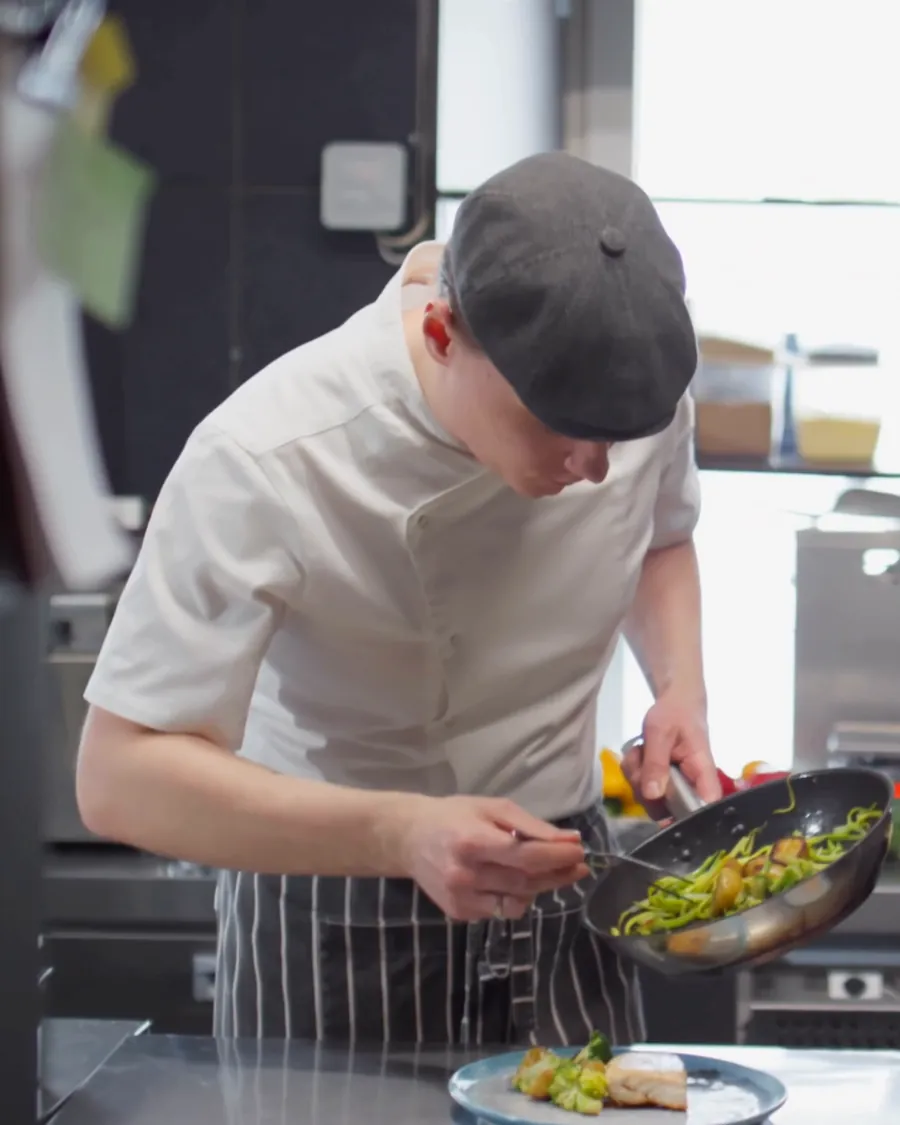
Whether you need to hire a chef to cover a sick call on Friday, staff a hotel kitchen for summer or cook for a private event, the process is the same: match the level of chef to the work, check skills properly, and pay at least the award. This guide explains the chef levels used in Australian kitchens, what each one costs in 2026 and how to find good chefs quickly.
Know which chef you need
Kitchen titles mean specific things, and they map to award classifications that set the minimum pay.
- Kitchen hand: dishes, cleaning, basic prep. Usually kitchen attendant grade 1 or 2.
- Cook: cooks from set recipes on a simple menu, such as breakfast or bar food. Cook grade 1 or 2.
- Commis chef: a qualified or nearly qualified chef working a section under supervision. Cook grade 3, award level 4.
- Demi chef: runs a section with some independence. Cook grade 4, award level 5.
- Chef de partie: runs a section, trains juniors and is responsible for its quality and stock. Cook grade 5, award level 6.
- Sous chef and head chef: lead the kitchen, write menus, roster and manage costs. Usually salaried.
For a single busy service, a capable commis or demi chef who can slot into an existing section is often what you need. For a pop-up or an event where nobody else knows the menu, you need someone at chef de partie level or above.
What a chef costs in 2026
Under the Hospitality Industry (General) Award (MA000009), these are the minimum casual hourly rates from 1 July 2026:
| Level | Monday to Friday | Saturday | Sunday | Public holiday |
|---|---|---|---|---|
| Commis (level 4) | $36.81 | $44.18 | $51.54 | $73.63 |
| Demi chef (level 5) | $39.13 | $46.95 | $54.78 | $78.25 |
| Chef de partie (level 6) | $40.16 | $48.20 | $56.23 | $80.33 |
Add $2.95 an hour for weekday work between 7pm and midnight, and 12% super. Restaurants and cafes outside hotels are usually covered by the Restaurant Industry Award, which has its own rates. Our hospitality award pay rates guide has the complete tables.
Experienced casual chefs often charge above the award, particularly in peak season. Agree the rate before the shift and put it in writing.
Qualifications worth asking about
- Certificate III in Commercial Cookery (SIT30821): the trade qualification for chefs in Australia.
- Certificate IV in Kitchen Management (SIT40521): common for chefs moving into sous and head chef roles.
- Food safety supervisor certificate: under Food Standard 3.2.2A most food businesses need a certified food safety supervisor, and all food handlers need food safety training.
- Allergen training: worth asking about for any chef who will plate for guests with allergies.
Qualifications are a starting point. Plenty of excellent cooks learned on the job, and some qualified chefs struggle on a busy pass. That is why the trial matters.
How to run a fair trial
A short, supervised skills test can be unpaid if it only lasts as long as needed to show the skill. Anything longer, or any time the person is producing food for paying guests, must be paid. A good trial for a chef:
- Takes 2 to 4 hours during prep or a quieter service.
- Includes a knife skills check, a mise en place task from your prep list and one or two dishes from the menu.
- Shows how they work clean, label and date, and communicate on the pass.
- Ends with a short chat about what they would change, which tells you a lot about experience.
Where to find chefs fast
Demand for casual chefs peaks in Melbourne, Sydney and Brisbane from late October to January, and again over Easter and school holidays. To get ahead of it:
- Build a bench early. Line up two or three casual chefs who have done a paid shift with you before the season starts.
- Use an on-demand platform. On Yakka Hospitality you can browse chefs near you, see their experience and photos of their work, and message them directly.
- Ask your team. Chefs know which colleagues are reliable.
- Talk to TAFE. Commercial cookery students often want paid shifts to build experience.
Hiring a chef for an event or private dinner
For a private dinner, a birthday or a small wedding, you can hire a chef to cook at your home or venue. Before you book:
- Agree the menu, the guest count, dietary needs and the timeline in writing.
- Check the kitchen: oven space, burners, fridge space and plates. Many private chefs bring their own tools but not equipment for 40 people.
- Clarify who buys the ingredients and whether they are included in the price.
- Book support staff: a kitchen hand for dishes, catering assistants for plating and wait staff for service.
Private chefs often price per head or per event rather than per hour. Ask what the price includes so you can compare quotes fairly.
Write a chef shift post that gets replies
Chefs get plenty of vague offers. A clear post gets better applicants faster. Include:
- The venue type and size: "180-seat hotel bistro" tells a chef more than "busy venue".
- The section and level: "commis on larder, Thursday to Saturday".
- Dates, start and finish times, and whether the shift includes prep and close.
- The menu style and any specific skills: wood-fired grill, pastry, high-volume banquets.
- The hourly rate, plus super.
- What to bring: knives, whites, non-slip shoes.
Example: "Demi chef for a 220-guest plated wedding, Saturday 2pm to 11pm. Hot section, plating mains with a team of four. $46.95 an hour casual plus super. Bring knives and whites, staff meal provided, parking on site."
Set up their first shift
Even an experienced chef needs a short handover to be useful quickly:
- A walk through the cool room, dry store and the labelling system.
- The prep list for their section and the par levels.
- The menu, the specials and the allergen matrix.
- How dockets come through and who calls the pass.
- Where the chemicals, first aid kit and fire blanket are.
Ask the head chef or sous chef for honest feedback at the end of service, and decide that night whether you want to rebook.
Red flags
- No questions about allergens, the menu or the equipment before the shift.
- Vague answers about past kitchens and the size of the services they worked.
- Poor hygiene habits in the trial: no hand washing, no labels, cross-contamination.
- Unwilling to agree the rate and hours in writing.
Book a chef on Yakka Hospitality
Post the shift with the date, hours, level and rate, or browse chefs by suburb and message the ones that fit. You can also find a restaurant manager or front-of-house team for the same service. Read our guide to hiring hospitality staff for the full process.
Pay figures in this guide come from the Hospitality Industry (General) Award 2020 (MA000009) rates that apply from the first full pay period on or after 1 July 2026. Restaurants and cafes are usually covered by the Restaurant Industry Award and registered clubs by the Clubs Award, which have their own rates. Always confirm the award that covers your business with the Fair Work Ombudsman.
Book your next shift on Yakka Hospitality
Yakka Hospitality connects venues with casual hospitality workers across Australia. Post the role, suburb, start time and rate in the app, or browse the worker directory and request a quote from the people you like. A Quick Post is always free, a full Post is A$25 with your first one free, and there is no fee per hire. See pricing or download the app to post your first shift.
Frequently asked questions
How much does it cost to hire a chef per hour?
Under the Hospitality award in 2026, a casual commis chef costs at least $36.81 an hour on weekdays and a casual chef de partie at least $40.16, with higher rates on weekends and public holidays, plus 12% super. Many experienced chefs charge above the award.
What qualification should a chef have in Australia?
The trade qualification is the Certificate III in Commercial Cookery (SIT30821). Senior chefs often hold the Certificate IV in Kitchen Management (SIT40521). Food safety training is also required for food handlers.
Can I hire a chef for one night?
Yes. Casual chefs regularly cover single services and events. Under the Hospitality award a casual must be paid for at least 2 hours, and most event bookings are 5 to 8 hours including prep and clean-up.
Do I have to pay for a chef trial shift?
A short supervised skills demonstration can be unpaid. If the trial goes longer than needed to show the skill, or the chef cooks for paying customers, it must be paid.
Official sources
Award rates, licences and safety rules change. Check the official source before you hire or take on a shift.
- Fair Work Ombudsman — pay guidesMinimum award rates, casual loading and penalty rates
- Fair Work Commission: Hospitality Industry (General) Award 2020The full award text (MA000009), including classifications and Schedule B pay tables
- Fair Work Pay CalculatorWork out the minimum pay for a specific award and shift